

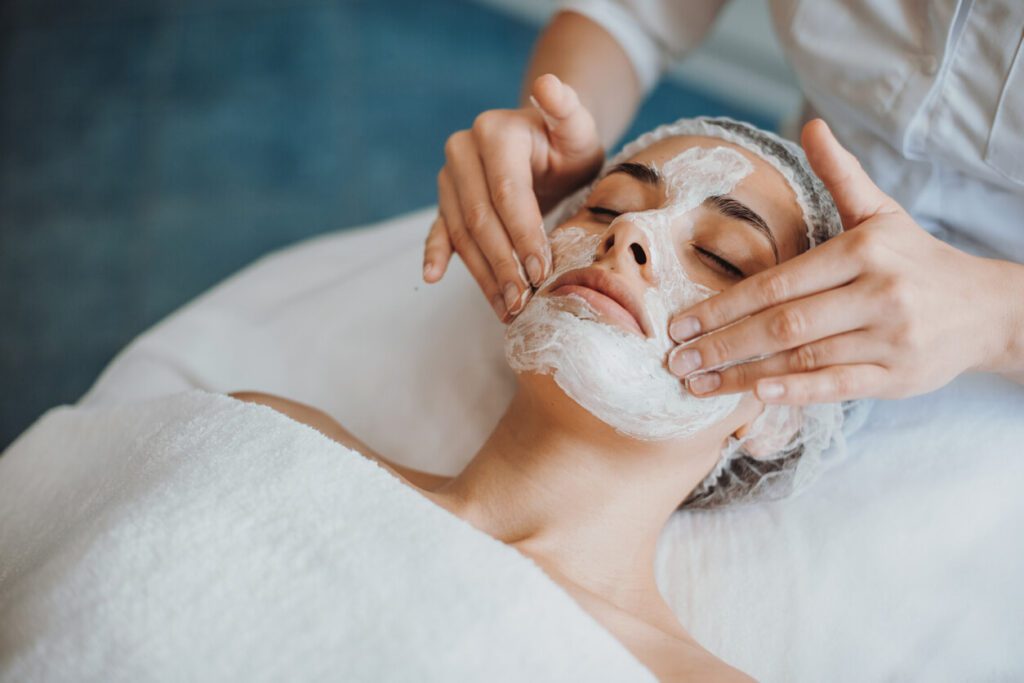
IPL Photofacials effectively reduce visible sun damage, brown spots, and skin discoloration using precise light pulses. In Short,
- The treatment works by targeting pigment and redness beneath the skin, leaving you with a brighter, more even tone.
- Multiple sessions yield the best results, transforming dull, damaged skin into a smooth and radiant complexion.
- Always consult an experienced aesthetic specialist to see if this non-invasive treatment fits your specific skin type and goals.
Years of enjoying the outdoors can leave a lasting mark on your skin. You might notice dark spots, redness, or a generally uneven tone staring back at you in the mirror. If you find yourself searching for a photofacial near you to reverse these signs of sun damage, you are on the right track. Intense Pulsed Light (IPL) photofacials offer a powerful, non-invasive way to rejuvenate your skin.
Understanding how an IPL photofacial works, who makes an ideal candidate, and what results to expect will help you make a confident choice for your skin. At Privé Aesthetics, we specialize in helping you reclaim your natural glow. Here is everything you need to know about using photofacials to correct sun damage.
What is an IPL Photofacial?
An IPL photofacial is a cosmetic treatment that uses broad-spectrum light to target common skin concerns, especially those caused by the sun and natural aging.
Unlike traditional lasers that use a single focused wavelength of light, IPL devices emit multiple wavelengths at once. Think of it like a camera flash that covers a larger area of your skin. This allows the treatment to address a wide variety of skin issues all at the same time, including:
- Brown spots
- Redness
- Broken blood vessels
Because it is a non-ablative treatment, it improves your skin’s texture and tone without removing the delicate outer layer.
How Does a Photofacial Near Me Work for Sun Damage?
When you step into a clinic for a photofacial near you, the IPL device delivers controlled pulses of light energy deep into your skin.
The dark pigment in your sun spots (melanin) and the red blood cells in broken capillaries (hemoglobin) absorb this light energy, which then converts into heat. This quick burst of heat damages the targeted cells. Over the next few weeks, your body naturally clears away these damaged cells.
At the same time, the heat stimulates your body to produce fresh collagen—the protein responsible for keeping your skin firm and smooth. This dual action of clearing unwanted pigment and boosting collagen makes IPL an incredibly effective tool for true skin renewal.
In fact, a study published by the American Society for Laser Medicine and Surgery (ASLMS) found that over 90% of the treated patients showed an improved overall appearance. Have you ever wished you could simply erase years of sun exposure? A photofacial offers a scientifically proven way to do exactly that.
Who is a Good Candidate?
While photofacials deliver amazing results for many people, they work best for specific skin types and conditions.
You are likely an excellent candidate if you have fair to medium skin and want to treat:
- Sun damage and age spots
- Freckles and hyperpigmentation
- Rosacea and facial redness
- Broken capillaries
- Mild acne scarring
Because the light targets pigment, IPL is less suitable for very dark skin tones due to a higher risk of unwanted hyperpigmentation. Pregnant women, or those taking medications that make skin sensitive to light (like certain antibiotics or retinoids), should also pause before booking.
A thorough consultation with a qualified professional is the best way to determine if an IPL photofacial safely aligns with your health and aesthetic goals.
What Results Can You Expect? (And How Many Sessions?)
Patience is key when reversing sun damage. You will likely see noticeable improvements after just one treatment, but a single session is rarely enough for complete clearance.
According to the National Institutes of Health (NIH), the best results are achieved after a series of at least 2 or more IPL treatments, typically spaced three to four weeks apart. After completing your series, you can expect:
- A significantly brighter and more even complexion.
- Faded brown spots and reduced redness.
- Smoother skin texture with smaller-looking pores.
- A healthy, youthful glow that reflects your inner vitality.
The Photofacial Treatment Process: What to Expect
Knowing what happens before, during, and after your treatment helps you feel relaxed and confident on appointment day.
Before Your Session
To get the best results, you must prepare your skin. Avoid direct sun exposure, tanning beds, and self-tanners for two to four weeks before your appointment. You may also need to stop using certain active skincare products, like retinol.
During the Procedure
Your provider will cleanse your skin and apply a cooling gel to keep you comfortable. You will wear dark glasses to protect your eyes from the bright flashes. As the IPL device glides over your skin, it delivers quick pulses of light.
Most patients describe the feeling as a mild snapping sensation, much like a small rubber band flicking against the skin. A typical session takes just 20 to 30 minutes.
Immediate Aftercare and Risks
After your photofacial, your skin might look and feel like you have a mild sunburn. This redness usually fades within a few hours to a day. The brown spots you treated will actually darken at first. Do not panic! This means the treatment worked. Over the next week or two, these dark spots will gently flake off, revealing fresh, clear skin underneath.
The risks are minimal when performed by an expert, but they can include temporary swelling or bruising. Wearing a broad-spectrum sunscreen every single day is absolutely crucial during your recovery to protect your fresh, sensitive skin.
Frequently Asked Questions
Here are some common questions and answers to help you better understand what to expect when getting a photofacial near you.
How much does a photofacial treatment cost?
The cost of a photofacial treatment can vary, influenced by factors such as the size of the area being treated and the number of sessions required to achieve your desired results. For a precise quote tailored to your specific needs, we highly recommend scheduling a consultation with our experienced team.
This will allow us to assess your skin and create a personalized treatment plan for you.
Is a photofacial good for rosacea?
Yes! A photofacial using IPL technology is highly effective for managing rosacea. The light specifically targets and reduces the flushing, deep redness, and visible blood vessels associated with the condition.
While it will not cure rosacea, it can drastically improve your daily skin appearance.
Is one photofacial near me enough?
Usually, one session is not enough to fully erase years of sun damage or deep pigmentation. Most people achieve their best results with a series of 3 to 5 treatments.
Your provider will build a personalized plan for you, and they may recommend occasional maintenance sessions to keep your skin looking its absolute best.
Where Can I Find a Photofacial in Dallas, TX?
Are you ready to reveal a more even, youthful complexion? An IPL photofacial offers a powerful, non-invasive solution to wipe away sun spots, redness, and fine lines. Imagine waking up to clearer, smoother, and more radiant skin every day.
Our expert team at Privé Aesthetics is here to help you achieve your goals with personalized care, advanced technology, and a commitment to your comfort.
If you are looking for the best photofacial near you, call Privé Aesthetics today at (817) 739-6640 or use our online appointment request form to schedule your consultation and begin your journey to flawless skin.

