

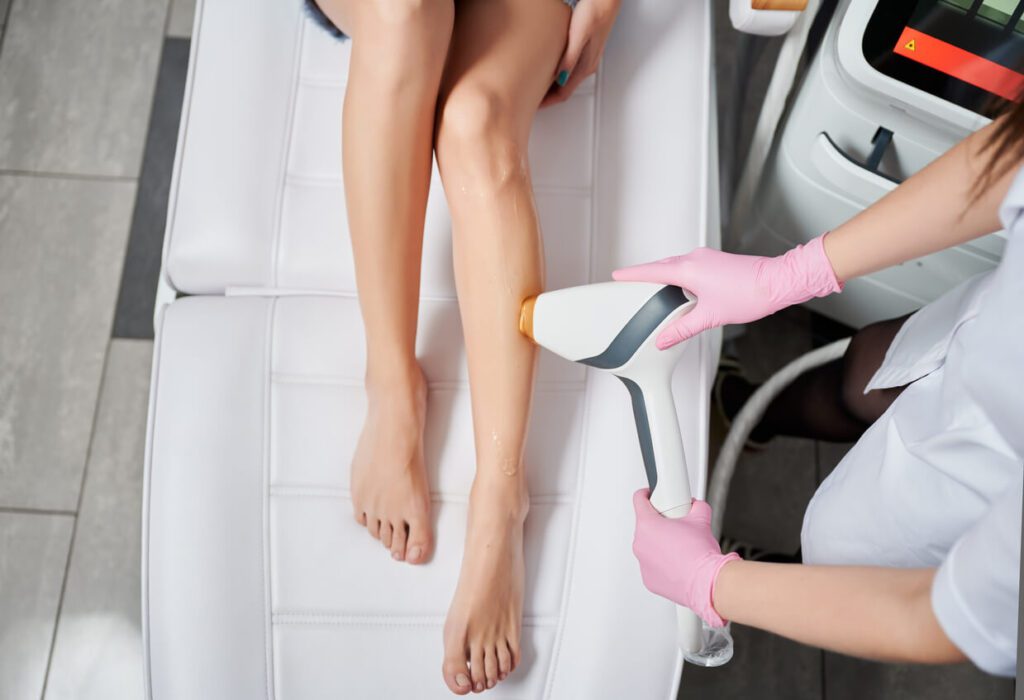
In short, yes, painless laser hair removal is generally safe for sensitive skin when performed correctly using the right technology and protocols.
- Technology Matters. Advanced lasers with cooling systems protect the skin while targeting hair follicles effectively.
- Preparation Is Key. Shaving beforehand and avoiding sun exposure significantly reduces the risk of irritation.
- Professional Consultation Required. A patch test and assessment by a licensed technician ensure the settings are customized to your skin type.
Painless laser hair removal has become a revolutionary solution for individuals tired of the constant cycle of shaving, waxing, and plucking. For those with sensitive skin, however, the idea of lasers can be daunting. The fear of redness, irritation, or burns often outweighs the desire for smooth skin.
Fortunately, advancements in dermatological technology have made it possible to achieve hair-free results without the harsh side effects associated with older methods.
In this guide, we will explore the safety profile of painless laser hair removal for sensitive skin types. We will also discuss the benefits, potential side effects, and what you should expect during a treatment session.
Is Painless Laser Hair Removal Safe for Sensitive Skin?
Painless laser hair removal is considered safe for most people with sensitive skin. However, safety largely depends on the type of laser used and the expertise of the practitioner.
Traditional laser hair removal methods were often associated with a “snapping rubber band” sensation. This discomfort was frequently accompanied by prolonged redness and irritation, which could be problematic for those with reactive skin conditions.
Newer technologies, such as diode lasers and dynamic cooling devices (DCD), have changed the landscape. These systems deliver energy in a way that heats the hair follicle gradually rather than instantly. This gradual heating prevents the sharp pain spike that triggers inflammation in sensitive nerves.
It is important to note that “painless” does not always mean zero sensation. Most clients report a mild warmth or a slight prickling feeling. However, compared to the aggressive heat of older lasers or the mechanical trauma of waxing, the experience is significantly gentler.
How Does Laser Technology Protect Sensitive Skin?
Understanding the mechanics of laser hair removal helps explain why it is safe for sensitive skin. The primary principle is selective photothermolysis. This means the laser targets a specific structure (the hair root) without damaging the surrounding tissue.
Built-in Cooling Systems
One of the most critical features for sensitive skin is the cooling mechanism. High-quality laser devices have built-in cooling tips or cryogen sprays. These activate milliseconds before the laser beam hits the skin.
This cooling effect numbs the area temporarily and draws heat away from the upper layers of the skin. By keeping the epidermis cool, the risk of burns and irritation is drastically reduced.
Adjustable Wavelengths
Different skin types require different laser wavelengths. For example, the Nd:YAG laser has a longer wavelength that penetrates deeper into the skin. This bypasses the melanin in the skin’s surface, making it safer for darker or more sensitive skin tones.
Practitioners can adjust the pulse duration and energy settings based on your specific needs. A lower energy setting with a longer pulse duration is often used for sensitive skin to prevent adverse reactions.
What Are the Benefits for Sensitive Skin?
Laser hair removal can actually be beneficial for sensitive skin compared to other hair removal methods.
Reduction of Ingrown Hairs
People with sensitive skin often suffer from pseudofolliculitis barbae, commonly known as razor bumps or ingrown hairs. Shaving cuts the hair at a sharp angle, causing it to curl back into the skin. Waxing can break the hair below the surface, leading to similar issues.
Painless laser hair removal destroys the hair follicle entirely. Without the follicle, the hair cannot grow back, effectively eliminating the cause of ingrown hairs. A study from the Journal of the American Academy of Dermatology confirms that laser therapy is a highly effective treatment for pseudofolliculitis barbae.
Smoother Texture
Frequent shaving and waxing can strip the skin of its natural oils and cause micro-abrasions. This leads to dry, rough, and irritated skin.
By stopping hair growth, you eliminate the need for daily mechanical irritation. Over time, the skin is allowed to heal, resulting in a smoother and softer texture.
How Should You Prepare for Your Appointment?
Preparation is vital for ensuring a safe and painless laser hair removal experience. Proper prep work minimizes the risk of reaction.
Avoid Sun Exposure
You must avoid tanning beds and direct sun exposure for at least two weeks before your session. Tanned skin has more melanin, which can absorb the laser energy and lead to burns or pigmentation changes.
If you cannot avoid the sun, apply a broad-spectrum sunscreen with SPF 30 or higher. This protects your skin barrier and keeps the contrast between your skin and hair high.
Shave the Treatment Area
Unlike waxing, where you need hair growth, you must shave the area 24 hours before your laser appointment. This removes the hair shaft above the skin surface.
If hair is left long, the laser will burn the hair on the surface. Shaving ensures the laser energy goes directly to the root.
Skip Other Hair Removal Methods
Do not wax, pluck, or bleach the hair for four to six weeks prior to treatment. The laser needs the hair root to be intact to work. Waxing removes the root, rendering the laser ineffective.
What Can You Expect During the Treatment?
Knowing what happens during the session can alleviate anxiety. The process is generally quick and straightforward.
The Consultation
Your journey begins with a consultation. The technician will review your medical history and examine your skin type. They will ask about any medications you are taking, as some can cause photosensitivity.
A patch test is usually performed on a small, inconspicuous area. This allows the practitioner to see how your skin reacts to the laser settings before treating a larger area.
The Procedure
You will be given protective eyewear to shield your eyes from the laser light. The technician will apply a cooling gel if the device requires it.
They will then move the handheld laser device over the treatment area. You might feel a series of warm pulses. If you experience discomfort, tell the technician immediately so they can adjust the settings.
Post-Treatment Care
After the session, your skin might look slightly pink or red, similar to a mild sunburn. This is normal and usually subsides within a few hours.
Apply a soothing gel, such as aloe vera, to calm the skin. Avoid hot showers, saunas, and strenuous exercise for 24 hours to prevent overheating the treated area.
Are There Any Side Effects to Watch For?
While painless laser hair removal is safe, there are potential side effects, especially for sensitive skin. Most are temporary and mild.
- Redness and Swelling: This is the most common reaction and typically resolves quickly.
- Pigment Changes: Rarely, the skin may become lighter (hypopigmentation) or darker (hyperpigmentation). This is usually temporary but can be permanent in rare cases.
- Blistering: If the laser settings are too high or the skin was not cooled properly, blistering can occur. This requires medical attention to prevent infection.
If you notice any unusual reactions or if pain persists, contact your provider immediately.
Who Is the Ideal Candidate?
Advances in technology have made laser hair removal accessible to a wider range of people. However, the ideal candidate typically has light skin and dark hair.
The laser targets the pigment in the hair. If the hair is blonde, red, gray, or white, the laser may not be effective because there is not enough pigment to absorb the energy.
For those with darker skin, specific lasers like the Nd:YAG are required to ensure safety. Always ask your provider if they have the appropriate technology for your specific skin tone.
Why Choose Professional Clinics Over At-Home Devices?
You may see advertisements for at-home laser devices. While convenient, they are generally less powerful and less effective than professional machines.
Safety Concerns
Professional clinics use medical-grade equipment that undergoes rigorous testing. Technicians are trained to recognize skin reactions and adjust treatments accordingly.
At-home devices often lack advanced cooling systems. This increases the risk of burns, especially for users with sensitive skin who may not know how to operate the device correctly.
Efficacy
Professional lasers can deliver higher energy levels safely. This results in more significant and permanent hair reduction. At-home devices often result in temporary hair reduction rather than permanent removal.
Painless Laser Hair Removal in Dallas, TX
If you are ready to say goodbye to razor burn and hello to confidence, contact Privé Aesthetics today. Our team of experts is dedicated to providing safe and effective treatments in a comfortable environment.
Contact us at (817) 739-6640 or schedule your consultation and discover the freedom of laser hair removal.

